Alright, folks. Let’s talk wood. You’re here because you need to nail down the perfect material for your small crafts—stat. Maybe you’re sick of suppliers pushing overpriced junk that warps faster than a TikTok trend. Or maybe you’re tired of playing Russian roulette with delivery timelines. Sound familiar? Yeah, I thought so. Let’s cut the sawdust and get into what actually works.
The best wood for small crafts? Basswood, maple, and cherry. Basswood’s buttery soft for carving, maple’s tougher than a Monday morning, and cherry? It’s the Beyoncé of woods—sleek, versatile, and always in demand. Each has pros and cons, but stick with these three, and you’ll dodge 90% of buyer’s remorse.
Still with me? Good. Because I’m about to drop some splinter-free wisdom.
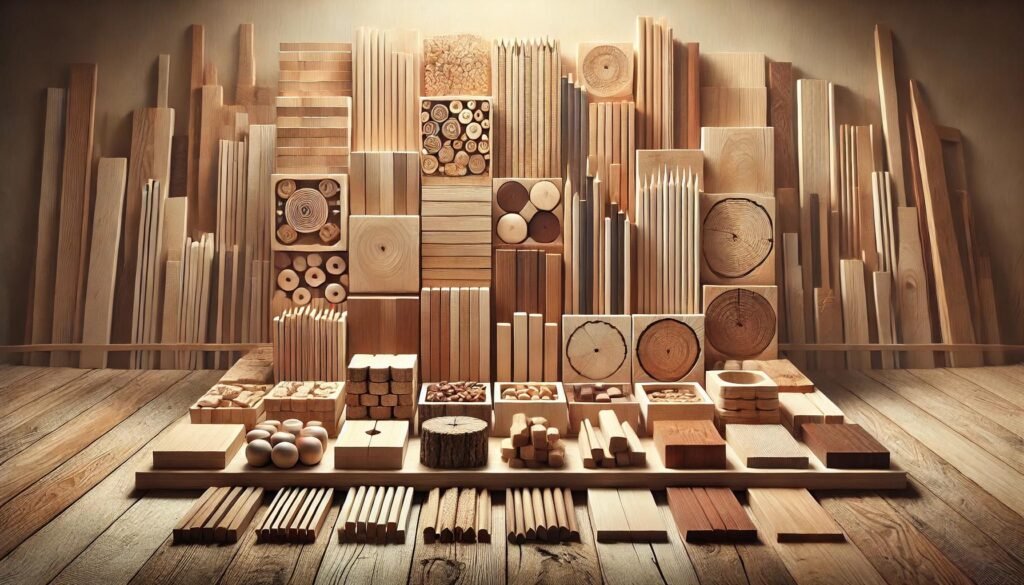
Why Basswood? Is It Really the MVP of Small Crafts?
Basswood’s like the Swiss Army knife of crafting woods. Soft enough for intricate carvings (think: detailed figurines or custom ornaments), but stable enough to avoid cracking. Plus, it’s cheap. Like, “Why is this so affordable?” cheap.
But here’s the kicker: it’s boring looking. No flashy grains. So if your clients want Instagram-worthy natural patterns, pair it with a stain. Pro tip: Use water-based stains—they don’t hide basswood’s smooth texture.
Maple: Tough Love or Overkill?
Maple’s the bodybuilder of hardwoods [kangjiearts.com/wood-strength-test]. Scratch-resistant? Check. Durable enough for high-traffic items like kitchenware or kids’ toys? Double-check. But it’s harder to carve than basswood, so your factory needs sharp tools (and sharper patience).
Cost-wise, it’s pricier. But here’s the math: maple lasts 2-3x longer than pine. So if your customers hate returns (and who doesn’t?), it’s worth the splurge.
Cherry Wood: Fancy or Functional?
Cherry’s the dark horse of small crafts. Starts pale but ages into a rich, reddish-brown—no stain needed. Perfect for luxury gift boxes or high-end decor.
Downsides? It’s softer than maple, so avoid heavy-duty use. And price swings like a pendulum. Work with suppliers who stockpile (like ahem some folks I know) to avoid getting gouged.
“But What About Cheap Woods Like Pine?”
Pine’s the fast food of crafting—quick, cheap, and kinda gross if you overdo it. Warps like crazy in humid climates. Save it for disposable items (think: seasonal decor), not heirlooms.
Exotic Woods: Worth the Hype?
Mahogany, teak, zebrawood—exotic woods scream “premium”. But they’re the divas of the lumber world: expensive, slow to source, and full of quirks. Only use ’em if your client’s logo includes a gold-plated unicorn.
Conclusion
So, basswood for carve-heavy projects, maple for durability, cherry for luxury vibes. Need certifications, low MOQs, or a supplier who actually answers emails? That’s us. Now go make something awesome—and quit sweating the small stuff. We’ve got your back. 🪓